Container Gardening for Beginners: Grow Food in Pots
November 15, 2026 · 2 min read
No yard? Pots on a balcony, a patio or a classroom windowsill can grow a surprising amount of food. Here is how to choose containers, soil and crops, and how to keep them watered.
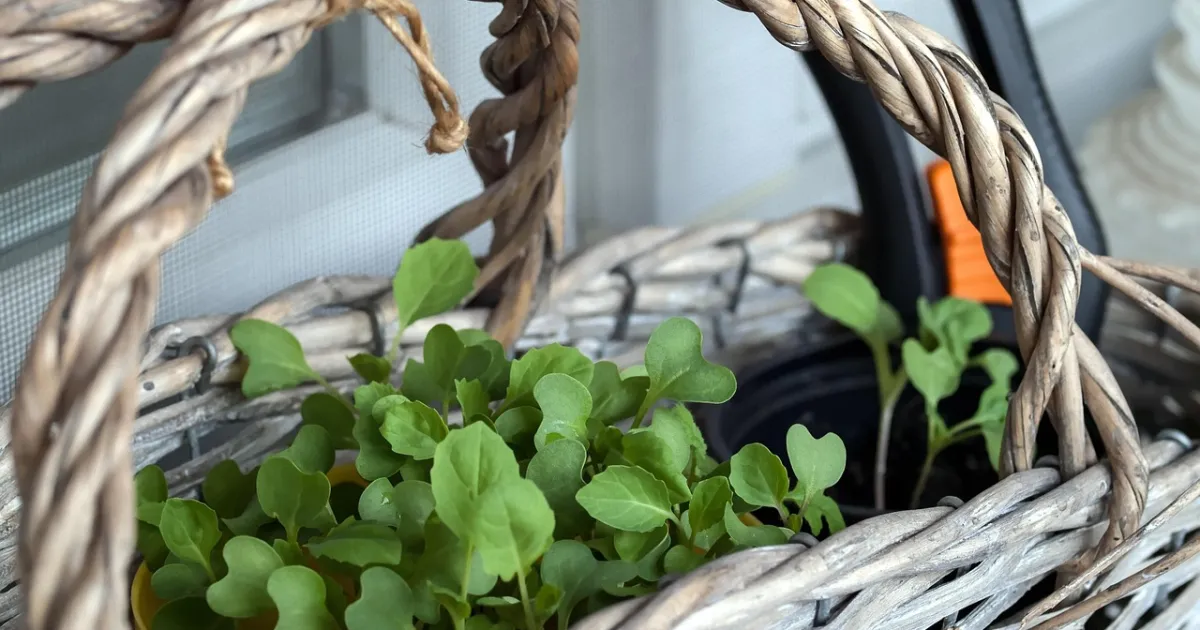
Container gardening means growing plants in pots, tubs, buckets or grow bags instead of in the ground. It works on balconies, patios, rooftops, school courtyards and windowsills, and it lets you move plants to follow the sun. With the right container, soil and watering routine, many vegetables and herbs grow as well in pots as in a bed.
Choosing containers
- Drainage holes are essential. Without them, roots sit in water and rot.
- Bigger is easier. Large pots hold more water and need watering less often.
- Material: plastic and glazed pots hold moisture; terracotta breathes but dries quickly; fabric grow bags are light and give roots air; dark pots heat up in full sun.
- Reused containers such as buckets and storage tubs work well with holes drilled in the bottom. Avoid containers that held chemicals.
Container size by crop
| Crop | Minimum container |
|---|---|
| Tomatoes (full-size) | About 5 gallons (20 liters) or more per plant |
| Peppers, eggplant | About 3 to 5 gallons per plant |
| Potatoes | About 10 gallons, deep grow bag |
| Bush beans, chard | About 2 to 3 gallons |
| Lettuce, spinach, radishes | Wide pot or trough 6 to 8 inches deep |
| Herbs | About 1 gallon per plant |
| Carrots | At least 12 inches deep |
Soil
Use a quality potting mix, not garden soil. Garden soil compacts in pots, drains poorly and can carry pests and diseases. Mixing in some compost adds nutrients. Refresh or replace the mix each season.
Sun
Fruiting crops like tomatoes, peppers and beans need 6 to 8 hours of direct sun. Leafy greens and many herbs manage with 4 to 6 hours. Watch your space for a day to see where the sun actually falls.
Watering and feeding
- Check daily in summer: push a finger into the mix; water when the top inch is dry.
- Water until it drains from the bottom, so the whole root ball is wet.
- Mulch the surface to slow evaporation.
- Feed regularly: frequent watering washes nutrients out, so use a balanced fertilizer or compost tea every couple of weeks for fruiting crops.
- Self-watering containers with a reservoir help a lot over weekends, which matters in schools.
Easiest crops for beginners
Lettuce and salad mixes, radishes, bush beans, cherry tomatoes, herbs like basil, parsley and mint (mint is best in its own pot), green onions and chard.
Container tips for classrooms
- Fast crops such as radishes and salad greens fit within a term.
- Label pots with the planting date and let students track growth.
- Plan for holidays: move pots to shade and group them, or arrange watering.
Ready for more space? Read about raised bed gardening, and see when to harvest potatoes grown in bags.
Questions
What is container gardening?
Growing plants in pots, tubs, buckets or grow bags instead of in the ground, which makes gardening possible on balconies, patios and windowsills.
Can I use garden soil in containers?
It is better not to. Garden soil compacts and drains poorly in pots; use a potting mix.
How often should container plants be watered?
Check daily in warm weather and water when the top inch of mix is dry; in hot spells, large plants may need water every day.
 Raised Bed Gardening: Benefits, Planning and What to Plant
 When to Harvest Sweet Potatoes (and How to Cure Them)
 Composting Worms: Which Worms to Use and How to Care for Them