When to Harvest Sweet Potatoes (and How to Cure Them)
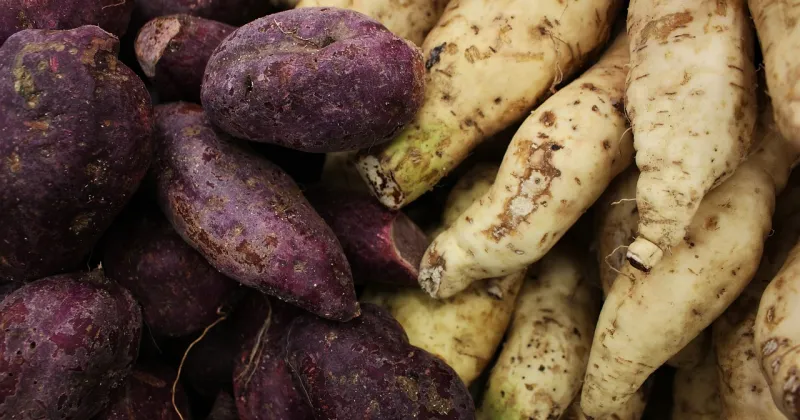
Sweet potatoes do not tell you they are ready the way onions do. Here is how to time the harvest, dig without bruising, and cure them so they turn sweet and keep for months.
Growing food with kids, one bed at a time
Practical guides for school gardens, outdoor lessons, compost and city growing, written for the teachers, parents and volunteers who make them happen.
Sweet potatoes do not tell you they are ready the way onions do. Here is how to time the harvest, dig without bruising, and cure them so they turn sweet and keep for months.
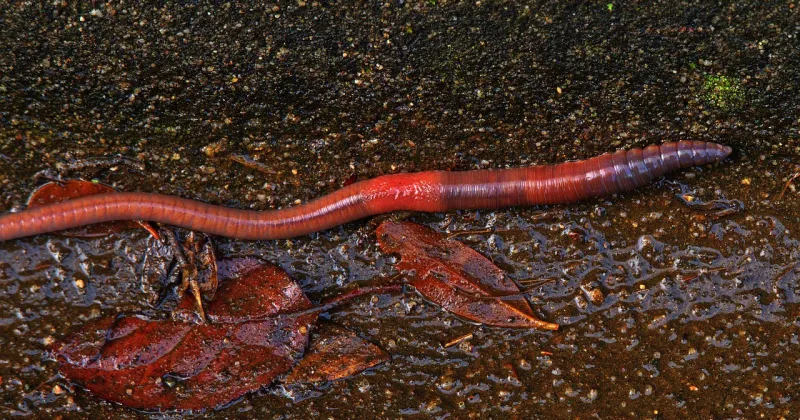
Not every worm can live in a compost bin. Here are the worms that do, why red wigglers are the standard, how many to start with, where to get them and how to keep them thriving.
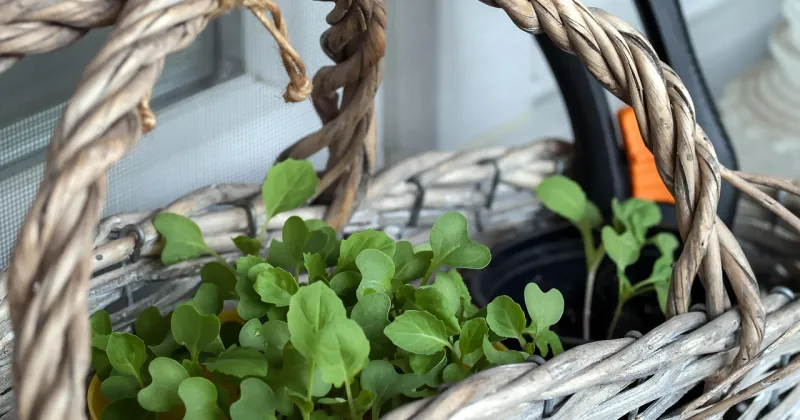
No yard? Pots on a balcony, a patio or a classroom windowsill can grow a surprising amount of food. Here is how to choose containers, soil and crops, and how to keep them watered.
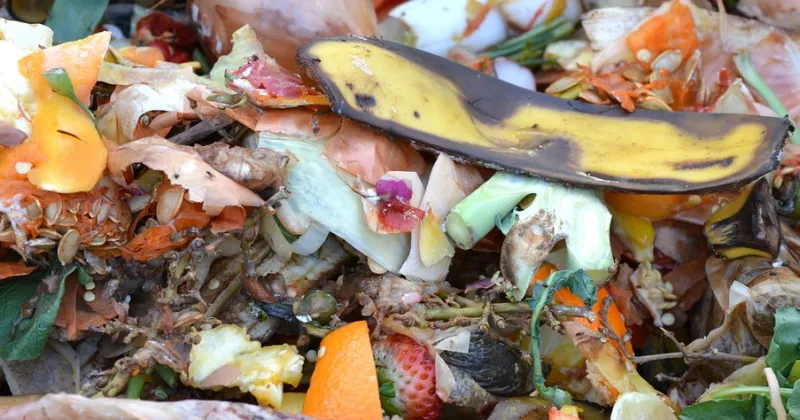
A quick reference for every composter: what you can and cannot put in a home compost pile, the habits that keep it working and the mistakes that cause smells, pests and slow compost.
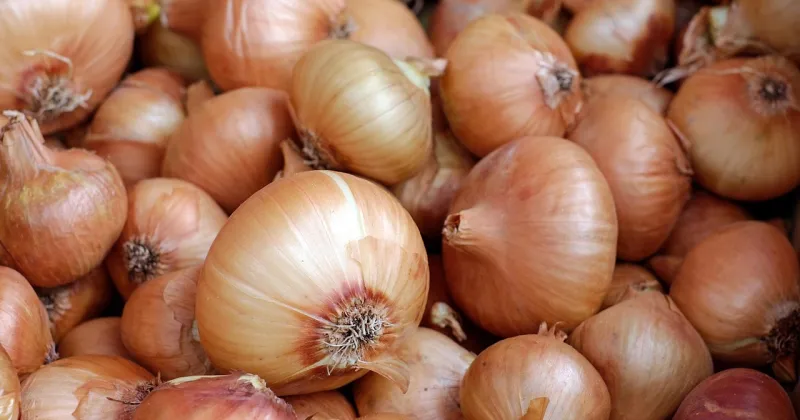
Onion tops flopping over is the signal you are looking for. Here is when to harvest green and bulb onions, and how to cure them so they keep for months.
You have a bin; now what? A step-by-step guide to setting it up and filling it for the first time, plus what to do during the first few weeks so it starts working fast.
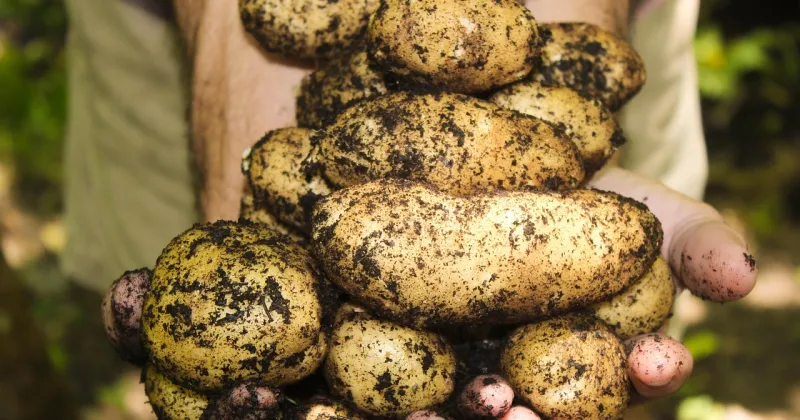
New potatoes or storage potatoes? Here is how to tell when potatoes are ready to harvest, how to dig them without spearing them, and how to cure and store them.
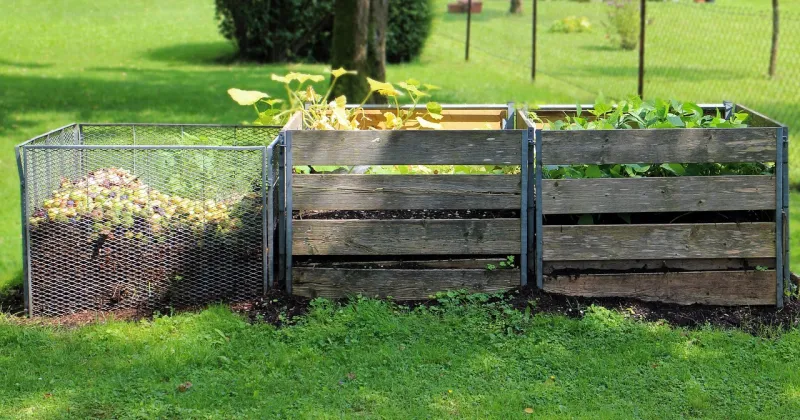
You do not need to buy a compost bin. Here are four builds, from a 30-minute trash can composter to a three-bay system for a school garden, with materials and step-by-step instructions.
A school garden can be three raised beds behind the cafeteria, a row of buckets on a sunny step or a corner of a playing field. What makes it work is not the size. It is a small group of adults who keep turning up, a plan that fits the school calendar, and children who are trusted with real jobs: sowing, watering, weighing the harvest, turning the compost.
The Garden Classroom is written for the teachers, parents and volunteers who make that happen, often with little money and less time. The guides are practical. They assume you have a class to manage, a budget to defend and a summer break in the middle of the growing season. Use this page as a path through them, in roughly the order a new garden needs them.
Before anyone buys soil, a garden needs permission, a water source and a few committed people. How to start a school garden covers the groundwork: forming a small team, getting the principal and the facilities staff on your side, choosing a spot with sun and a tap nearby, and deciding who looks after the beds when school is out. A modest garden that is cared for teaches more than an ambitious one that is abandoned by June.
Raised beds suit schools because they are tidy, easy for small arms to reach across and quick to fill with clean soil. Start with raised bed gardening basics, then follow how to build a raised garden bed for sizes, materials and a simple build a group of volunteers can finish in a morning. For layouts, including beds that work for wheelchair users and for the youngest classes, see raised garden bed ideas.
What goes inside matters more than the frame. Raised garden bed soil explains what to fill a bed with and how much you will need, and easy vegetables to grow lists crops that forgive beginners and are ready before the class loses interest.
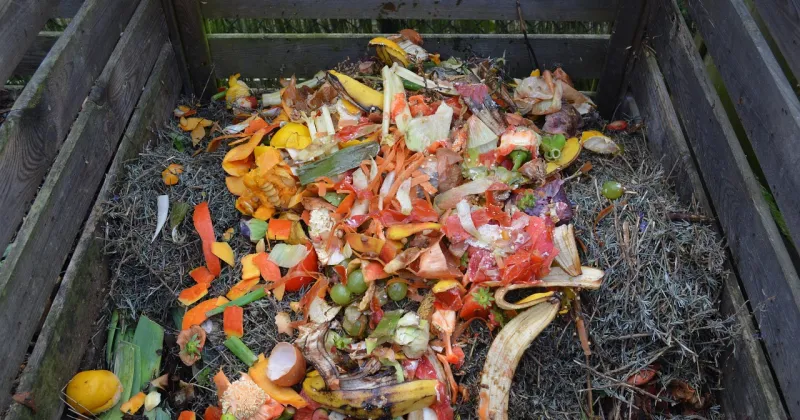
Compost is the part of the garden children remember. Lunch scraps go in, worms and fungi do their work, and months later there is dark soil to spread on the beds. It is also the cheapest way to keep a garden fed. If the idea is new, begin with what composting is and how to start composting. Composting at school deals with the questions a school raises that a back garden does not: who collects the scraps, where the bin can go, and how to keep it clean and free of pests.
To choose a system, compare the options in our composting bin guide. A classroom worm bin is a favorite with younger pupils, and worm composting shows how to set one up and keep it healthy. Bokashi composting is worth a look where space is tight. The full composting guide pulls it all together.
Plenty of schools have a yard that is all asphalt. That is not the end of the idea. Pots, grow bags and troughs will produce salad leaves, herbs, tomatoes and beans on a balcony, a rooftop or a strip beside a wall. Container gardening explains pot sizes, drainage and watering, the best vegetables for containers tells you what will actually crop in a pot, and urban gardening looks at growing food in a city more widely.
Picking is the reward, and timing it well is a skill children enjoy learning. Pull a carrot too early and it is a thread; leave lettuce too long and it turns bitter. Our harvest guides go crop by crop, starting with when to harvest garlic, and the whole set lives in the Harvest & Food section. Plan a few crops that are ready before the summer break and a few, such as pumpkins and potatoes, that wait for the new school year.
The school calendar and the growing season do not line up neatly, so it helps to plan the year in four parts.
Write down what worked. Next year's volunteers will thank you for a single page that says what was planted, when, and what the children liked best.
A garden is a classroom without walls. Measuring a bed is math. Keeping a weather and growth diary is science and writing. Cooking what was grown is a lesson in where food comes from. Gardening activities for kids collects jobs and short projects by age, and the Garden Lessons section will grow as we add more.
Keep safety simple and consistent: wash hands after gardening, wash produce before eating, check for allergies before a tasting, and store tools where small children cannot reach them unsupervised.
The Garden Classroom is an independent site. We are not connected with the student farm project that once used this web address. Growing advice follows the published guidance of university extension services and established gardening organizations, and we link to our sources at the end of each article. Climates differ, so treat planting and harvest times as a starting point and check them against your own region.