Composting Do's and Don'ts: What to Add, What to Avoid
November 14, 2026 · 2 min read
A quick reference for every composter: what you can and cannot put in a home compost pile, the habits that keep it working and the mistakes that cause smells, pests and slow compost.
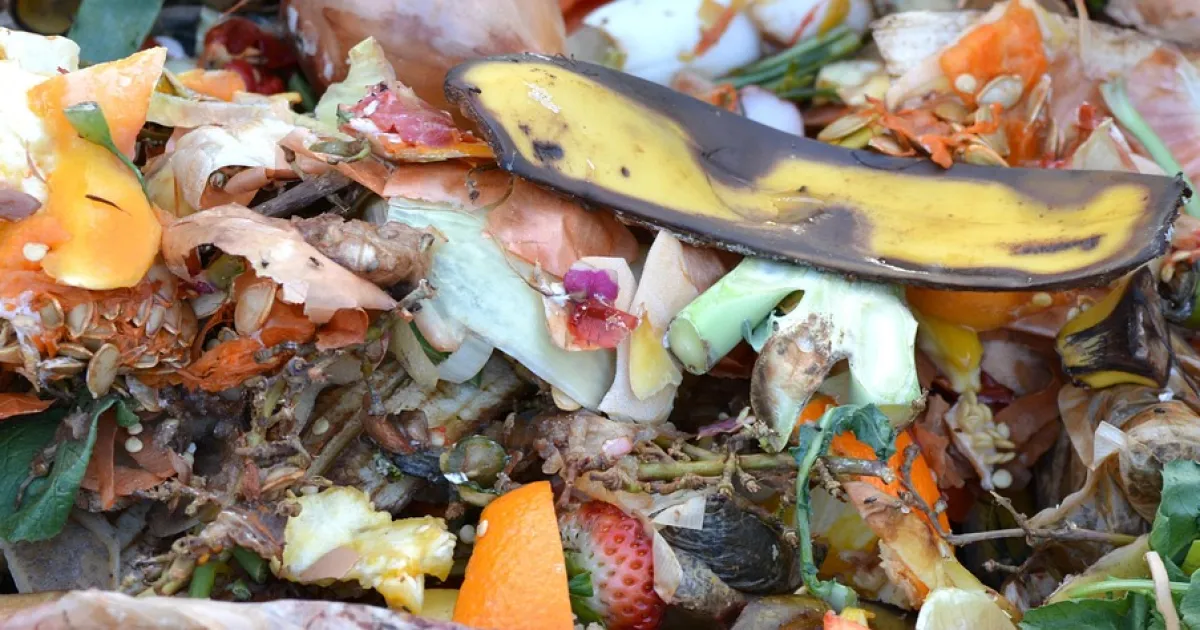
Composting is forgiving, but a few rules make the difference between rich compost and a smelly heap that attracts animals. Here is a quick reference you can print and stick on the fridge.
What you can and cannot compost
| Do compost | Don't compost |
|---|---|
| Fruit and vegetable scraps | Meat, fish and bones |
| Coffee grounds and filters, tea leaves | Dairy products |
| Eggshells | Fats, grease and cooking oil |
| Dry leaves, straw, wood chips | Pet waste and used cat litter |
| Grass clippings (not treated with herbicide) | Diseased or pest-infested plants |
| Shredded newspaper and plain cardboard | Weeds that have gone to seed |
| Garden trimmings and spent plants | Coal or charcoal ash |
| Nut shells, hair and fur, cotton and wool rags | Glossy or coated paper, plastics, "compostable" packaging meant for industrial facilities |
The do's
- Do balance greens and browns. Roughly two to three parts dry browns to one part moist greens by volume keeps the pile working.
- Do chop large pieces. Smaller pieces break down much faster.
- Do bury food scraps and cover them with browns to stop flies and smells.
- Do keep it moist, about as damp as a wrung-out sponge.
- Do turn it every week or two to add air and speed things up.
- Do keep a stock of browns, such as a bag of autumn leaves, next to the bin.
- Do use finished compost in beds, pots and on the lawn.
The don'ts
- Don't add only kitchen scraps. Without browns, the pile turns wet, airless and smelly.
- Don't let it dry out. A dry pile stops working.
- Don't pack it down. Compacted material loses the air microbes need.
- Don't add herbicide-treated grass or plants. Some herbicides survive composting and can damage garden plants later.
- Don't put the bin on concrete if you can avoid it: soil contact helps.
- Don't use unfinished compost around seedlings. Let it cure until it is dark, crumbly and earthy-smelling.
Gray areas
- Citrus peels and onions: fine in an outdoor pile in moderation; limit them in a worm bin.
- Bread and pasta: can attract animals; bury them deep or use bokashi.
- Wood ash: small amounts of ash from untreated wood are fine; it is alkaline, so go easy.
- Sawdust: only from untreated wood, and mix it in, as it clumps.
Cooked food, meat and dairy have a place too: bokashi can take them. For the full setup, see our guide to starting composting at home.
Questions
What should you never put in compost?
Meat, fish, bones, dairy, fats and oils, pet waste, diseased plants, weeds with seeds, herbicide-treated trimmings and coal or charcoal ash.
Can you compost eggshells?
Yes. Crush them first so they break down faster.
Can you compost paper towels?
Plain paper towels and napkins without grease or cleaning chemicals can go in as browns.
Why is my compost not breaking down?
Usually it is too dry, has too many browns or needs air. Add water and greens and turn it.
 Composting Worms: Which Worms to Use and How to Care for Them
 How to Start a Compost Bin: Your First Fill, Step by Step
 How to Make a Compost Bin: 4 DIY Builds From Easy to Advanced