Worm Composting: How to Set Up and Keep a Worm Bin
November 3, 2026 · 3 min read
A worm bin turns kitchen scraps into rich castings indoors, all year round. Here is how to set one up, which worms to use, what to feed them and how to keep the bin healthy.

Worm composting, also called vermicomposting, uses worms to eat kitchen scraps and turn them into castings: a dark, crumbly, nutrient-rich material that gardeners love. A worm bin fits in a kitchen corner, a garage or a classroom, works all year and, when it is kept well, does not smell.
What you need
- A bin: an opaque plastic tub or wooden box with a lid, or a ready-made stacking worm bin.
- Bedding: shredded newspaper, plain cardboard or coconut coir, moistened.
- A handful of soil or finished compost to bring in helpful microbes and grit.
- Composting worms: usually red wigglers.
- A tray or base to catch any liquid.
Choosing or making a worm bin
Worms live in the top layer of their food, so a wide, shallow bin works better than a deep one. A tub roughly 8 to 16 inches (20 to 40 cm) deep is plenty for a household. If you make your own from a plastic tote:
- Drill small holes, about 1/4 inch (6 mm), in the lid and upper sides for air.
- Drill a few holes in the bottom for drainage and set the bin on blocks over a tray.
- Keep it opaque or in a dark spot: worms avoid light.
Stacking bins with several trays make harvesting easier, because worms move up into a new tray of food and leave finished castings below.
Which worms to use
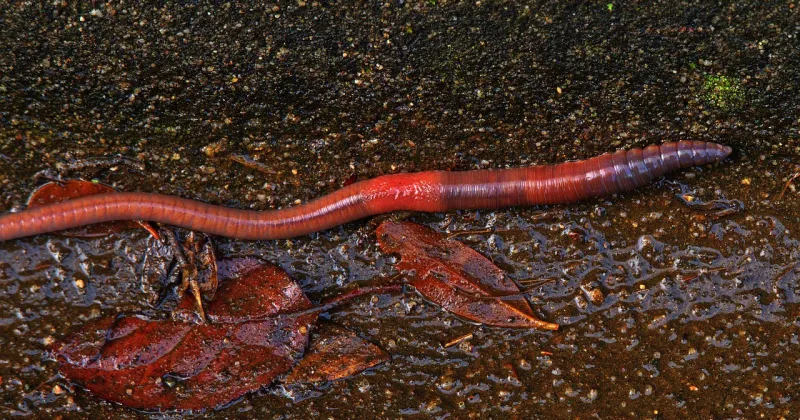
Composting worms are not the earthworms you dig up in the garden. Garden earthworms live deep in soil and do poorly in a bin. Red wigglers (Eisenia fetida) are the usual choice: they live in rotting leaves and compost near the surface, eat a lot, breed fast and tolerate a bin's conditions. They are sold online and by local worm farms, often by the pound.
For more on choosing and caring for worms, see our guide to composting worms.
Setting up the bin
- Shred newspaper or cardboard into strips and soak them, then squeeze until damp like a wrung-out sponge.
- Fill the bin about two-thirds with fluffed bedding and mix in a handful of soil.
- Add the worms on top and let them burrow in, with the lid off and a light on, which encourages them to go down.
- Wait a few days before feeding much, so the worms settle in.
What to feed and what to avoid
| Good to feed | Avoid or limit |
|---|---|
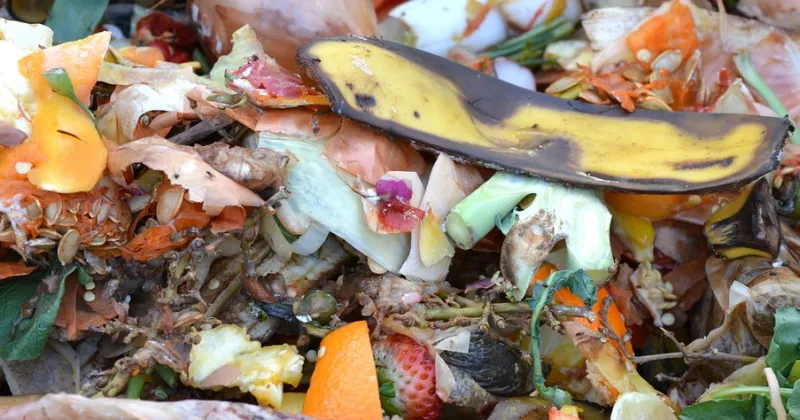
| Fruit and vegetable scraps | Meat, fish, dairy and oily food |
| Coffee grounds and paper filters | Large amounts of citrus, onion and garlic |
| Tea leaves | Spicy and salty food |
| Crushed eggshells (in moderation) | Pet waste |
| Small amounts of bread and grains | Anything treated with chemicals |
Chop scraps small and bury them under the bedding, rotating where you feed. Start with small amounts and add more as the worms clear it: if food sits uneaten for a week or more, you are feeding too much.
Where to keep the bin
Red wigglers like it mild, roughly the temperatures people find comfortable indoors. Avoid direct sun, freezing garages in winter and hot sheds in summer. Under a sink, in a basement or in a classroom cupboard all work.
Harvesting the castings
After a few months the bin fills with dark castings. Two easy ways to separate the worms:
- Side to side: push the finished material to one side and feed only on the other. In a few weeks most worms move over and you can scoop the castings.
- Light method: tip the contents onto a sheet in small cone-shaped heaps under a lamp. Worms burrow down away from the light, and you skim the castings from the top.
Mix castings into potting soil, sprinkle them around plants or add them to planting holes.
Troubleshooting
| Problem | Fix |
|---|---|
| Bad smell | Feed less, remove rotting food, add dry bedding |
| Fruit flies | Bury food fully, cover the surface with dry bedding or a sheet of newspaper |
| Worms climbing out | Check moisture and temperature; too wet or too acidic bins push them out |
| Bin too wet | Add dry shredded paper, check drainage holes |
| Worms dying | Check for overheating, drying out or harmful food |
Questions
What is a worm bin?
A ventilated container with damp bedding where composting worms eat kitchen scraps and turn them into castings.
Do worm bins smell?
A healthy worm bin smells earthy. Bad smells usually mean overfeeding or a bin that is too wet.
Can I use garden earthworms in a worm bin?
Not well. Garden earthworms live deep in soil; red wigglers, which live near the surface in rotting material, are the worms for bins.
How long until a worm bin produces castings?
Usually a few months, depending on how many worms you start with and how much you feed.
 Composting Worms: Which Worms to Use and How to Care for Them
 Composting Do's and Don'ts: What to Add, What to Avoid
 How to Start a Compost Bin: Your First Fill, Step by Step