The Complete Composting Guide: Every Method Compared
November 2, 2026 · 3 min read
Pile, bin, tumbler, worms, bokashi or a trench in the garden? This guide compares every common home composting method by space, effort, speed and what it can handle, so you can choose the one that fits.
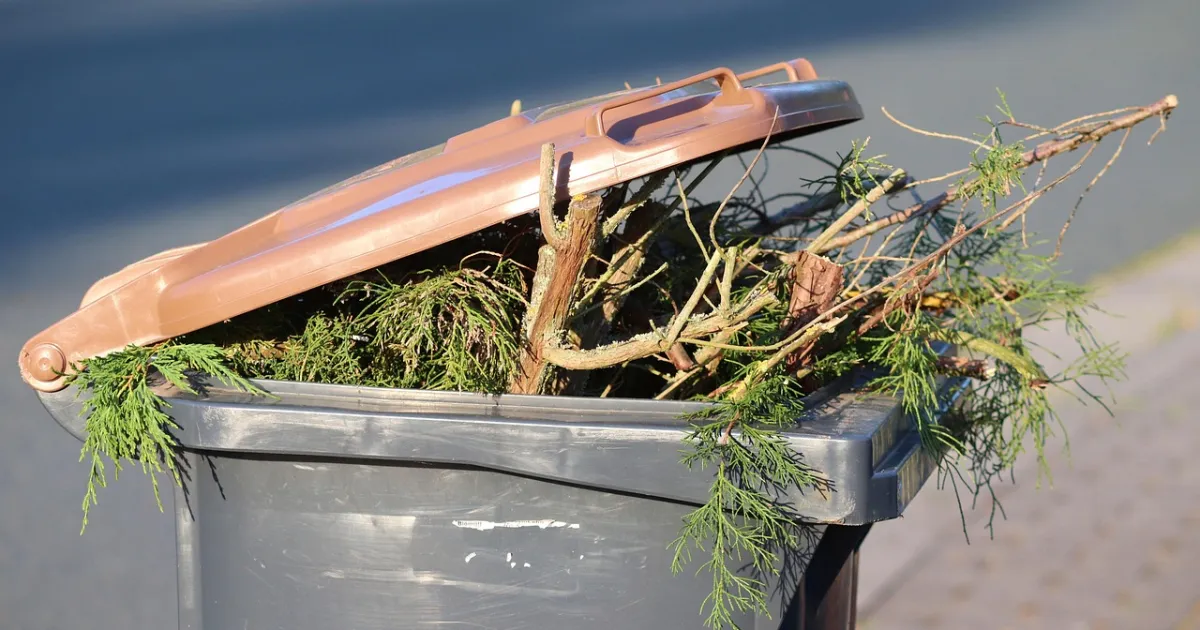
There is no single right way to compost. A family in an apartment, a school with a large garden and a gardener with an acre of leaves need different setups. This guide puts every common home method side by side so you can pick the one that fits your space, your time and what you want to compost.
All methods at a glance
| Method | Space | Effort | Speed | Takes meat and dairy? |
|---|---|---|---|---|
| Open pile | Large yard | Low to medium | Slow, faster if turned | No |
| Closed bin | Small yard | Low | Medium | No |
| Tumbler | Patio or small yard | Medium (turning) | Fast in warm weather | No |
| Three-bay system | Medium to large yard | Medium to high | Fast, continuous | No |
| Worm bin | Indoors or sheltered spot | Low, regular feeding | Medium | No |
| Bokashi | Under the sink | Low | Fast fermentation, then burying | Small amounts, yes |
| Trench or pit | Garden beds | Low (digging) | Slow, out of sight | No |
Open piles
The simplest method: a heap at least about 3 feet (1 meter) across, built on bare soil in a corner of the yard. Piles handle large amounts of leaves and garden waste and cost nothing. Their downsides are looks, space and access for animals if you add food scraps carelessly.
Closed bins
A lidded plastic or wooden bin keeps a pile neat, holds in moisture and keeps most animals out. It is the usual starting point for a small yard. Turning inside a bin is awkward, so many people use an aerator tool or simply let the bin work more slowly. Our guide to choosing a composting bin compares the types.
Tumblers
A drum on a frame that you rotate every few days. Turning is easy and the closed drum keeps pests out, which makes tumblers popular on patios. They hold less than a bin, and a tumbler that is only ever topped up never finishes a batch: two-chamber models let one side finish while you fill the other.
Three-bay systems
Three side-by-side bays, often built from pallets or boards: one filling, one cooking, one finished. You move material from bay to bay as you turn it. It is the most productive home setup and suits school gardens and big vegetable plots. See how to make a compost bin for a build.
Worm bins
Red wiggler worms eat kitchen scraps in a ventilated container with damp shredded-paper bedding. Worm bins work indoors all year and produce castings, a rich soil amendment. They need regular, moderate feeding and protection from heat and cold. Start with our worm composting guide.
Bokashi
Bokashi ferments kitchen scraps in an airtight bucket with bran inoculated with microbes. It takes cooked food and small amounts of meat and dairy that a normal pile cannot, and fits under a sink. The fermented material is not finished compost: it goes into soil or a compost pile to break down. More in our bokashi guide.
Trench and pit composting
Dig a trench or hole about a foot (30 cm) deep in a bed, add scraps, cover with soil and plant there later. Nothing is visible and nothing needs turning. It is a good choice for small amounts and for gardeners who do not want a bin at all.
How to choose
- Apartment, no outdoor space: worm bin or bokashi, or a city drop-off program.
- Small yard, mostly kitchen scraps: closed bin or tumbler.
- Lots of leaves and garden waste: open pile or three-bay system.
- Want it out of sight: trench composting or a closed bin.
- Teaching children: a worm bin indoors and a bin outside show two very different processes.
Whatever you pick, the basics are the same: mix greens and browns, keep the material damp, give it air and keep problem items out. Our list of composting do's and don'ts covers the essentials.
Questions
What is the easiest composting method?
For most homes, a closed bin you add to over time is the easiest: it needs little effort, though it is slower than a turned pile.
What is the fastest way to compost?
A well-balanced hot pile or a tumbler turned every few days, with materials chopped small and kept moist.
Can I compost without a yard?
Yes. Worm bins and bokashi both work indoors, and many cities run food-scrap drop-off or collection programs.
 Composting Worms: Which Worms to Use and How to Care for Them
 Composting Do's and Don'ts: What to Add, What to Avoid
 How to Start a Compost Bin: Your First Fill, Step by Step